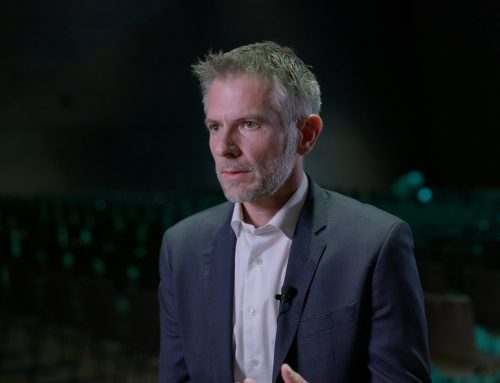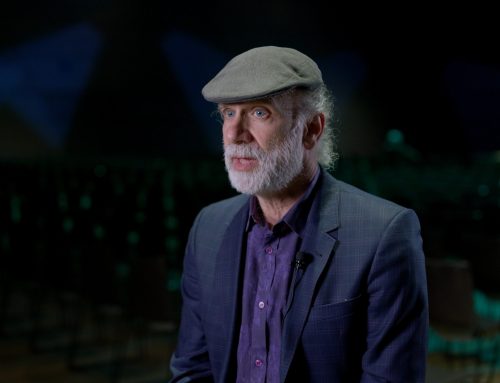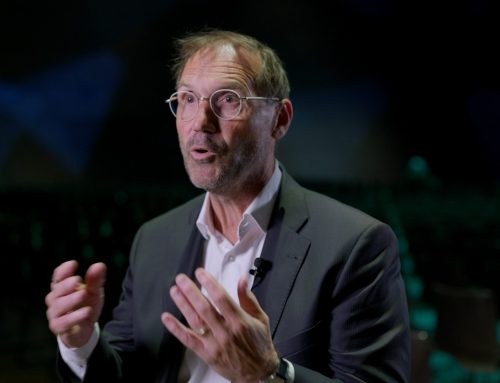

As organizations become increasingly dependent on digital technologies, cybersecurity has emerged as one of the most critical challenges facing business leaders, public institutions, and society as a whole. The event, “Europe at the Crossroads of AI, Power & the Future of Democracy” proposed by ICTLuxembourg, marked also the 30th anniversary of CLUSIL, the Cybersecurity Community in Luxembourg.
In our latest ICTLuxembourg interview, we sat down with Cédric Mauny, a recognized cybersecurity expert and President of CLUSIL, to discuss the evolving threat landscape, the growing importance of cyber resilience, and the steps organizations must take to build trust in an increasingly connected world.
Cybersecurity has become a business issue
Not long ago, cybersecurity was often viewed as a purely technical responsibility managed by IT departments. Today, the situation is very different.
Cyber threats can impact business continuity, customer trust, reputation, regulatory compliance, and financial performance. As a result, cybersecurity has become a board-level concern that requires strategic leadership and organization-wide commitment.
Protecting information and critical systems is no longer simply about deploying technology. It involves governance, risk management, awareness, and a culture of security that extends throughout the entire organization.
The Human Factor Remains Critical
While technology continues to advance, cybercriminals often target the most vulnerable element of any organization: people.
Awareness, education, and training remain essential components of any effective cybersecurity strategy. Building a culture in which employees understand risks and adopt secure behaviors can significantly reduce an organization’s exposure to cyber threats.
In an era of sophisticated phishing campaigns, social engineering attacks, and AI-powered fraud attempts, human vigilance is more important than ever.
Preparing for a More Complex Threat Landscape
The pace of digital transformation brings tremendous opportunities, but it also creates new attack surfaces.
Cloud services, remote work, AI applications, connected devices, and increasingly interconnected supply chains all contribute to a more complex security environment. Organizations must therefore adopt a proactive approach focused on resilience rather than reacting only when incidents occur.
Resilience means being able not only to prevent attacks but also to detect, respond to, and recover from them effectively.
And as Bruce Schneier said : AI changes every possibility in regards of “Speed, Scale, Scope and Sophistication”…